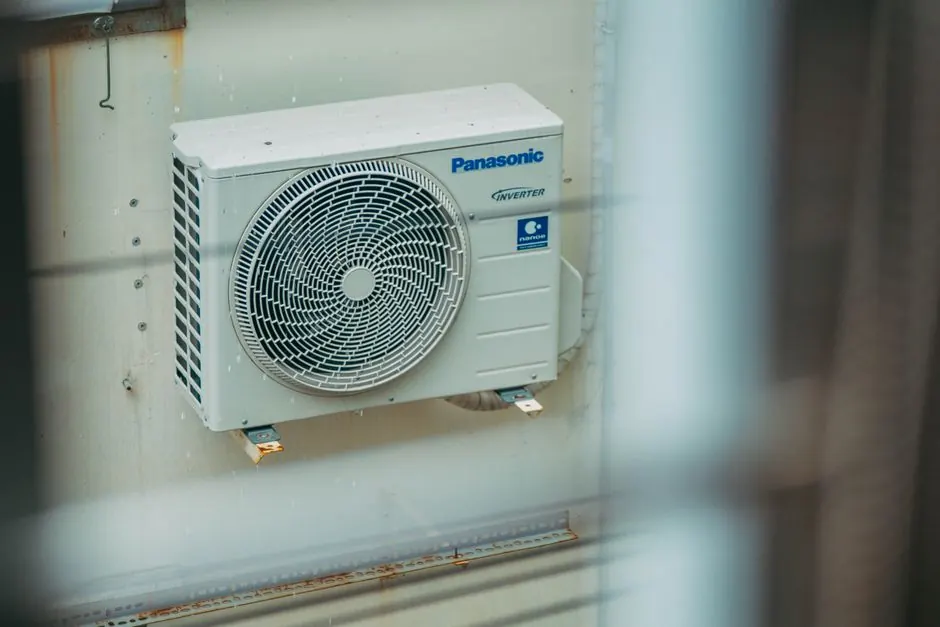
As a homeowner in Virginia, understanding the HVAC regulations that govern your heating and cooling systems is crucial. These regulations ensure not only the safety and efficiency of your HVAC systems but also compliance with state laws. In this article, we will explore the top 5 HVAC regulations every homeowner in Virginia should know, their importance, and how to ensure compliance.
Understanding HVAC Regulations
HVAC regulations in Virginia are designed to protect homeowners and the environment. They cover various aspects, including installation, maintenance, and safety standards. Familiarizing yourself with these regulations can save you from costly fines and ensure your home remains comfortable and safe.
Regulation 1: Licensing Requirements
In Virginia, HVAC contractors are required to hold a valid license to perform installation and repair work. This regulation ensures that only qualified professionals handle your HVAC systems. Homeowners should always verify their contractor's licensing status before hiring.
To check a contractor's license, visit the HVAC services Virginia website, where you can find information on licensed professionals in your area. Hiring an unlicensed contractor can lead to subpar work and potential legal issues.
Regulation 2: Energy Efficiency Standards
Virginia has specific energy efficiency standards that HVAC systems must meet. These standards are part of the state's effort to reduce energy consumption and promote sustainability. When purchasing new heating or cooling equipment, look for units that comply with the Energy Star program.
In addition to helping the environment, energy-efficient systems can reduce your utility bills. Homeowners should consider air conditioning installation in Virginia that meets these standards to ensure long-term savings.
Regulation 3: Carbon Monoxide Detectors
Another critical regulation in Virginia is the requirement for carbon monoxide detectors in homes with fuel-burning appliances. These detectors are essential for protecting your family from the dangers of carbon monoxide poisoning. The law mandates that detectors be installed on every level of your home, particularly near sleeping areas.
Regular maintenance of your HVAC systems can help prevent carbon monoxide leaks. Homeowners should schedule routine heating system maintenance in Virginia to ensure their appliances are functioning correctly and safely.
Regulation 4: Permitting and Inspections
Before installing or significantly altering an HVAC system, homeowners must obtain the necessary permits. This regulation ensures that all work is done according to local codes and standards. After installation, an inspection is typically required to verify compliance.
Failing to secure the proper permits can result in fines and may complicate future real estate transactions. Always consult with your contractor about the permitting process to avoid any issues.
Regulation 5: Environmental Regulations
Virginia has environmental regulations concerning refrigerants used in HVAC systems. Under the Clean Air Act, certain refrigerants are banned due to their harmful effects on the ozone layer. Homeowners must ensure their systems are compliant with these regulations to avoid penalties.
When considering heat pump installation in Virginia, inquire about the type of refrigerant used in the system to ensure it meets environmental standards.
Common Mistakes to Avoid
- Not verifying contractor licenses before hiring.
- Ignoring energy efficiency ratings when purchasing new systems.
- Failing to install carbon monoxide detectors.
- Neglecting to obtain necessary permits for HVAC work.
When to Call a Professional
If you encounter issues with your HVAC system or have questions about compliance with Virginia HVAC regulations, it's wise to consult a professional. Ishmam Kaiser Contractor specializes in HVAC services and can guide you through the complexities of regulations and ensure your system is safe and efficient.
Frequently Asked Questions
What HVAC regulations apply to homeowners in Virginia?
Homeowners in Virginia must adhere to licensing requirements for contractors, energy efficiency standards, carbon monoxide detector installation, and environmental regulations regarding refrigerants.
Why are HVAC regulations important in Virginia?
These regulations ensure the safety and efficiency of HVAC systems, protect homeowners from legal issues, and promote environmental sustainability.
How can I stay compliant with HVAC laws in Virginia?
To stay compliant, always hire licensed contractors, obtain necessary permits, and ensure your systems meet energy efficiency and environmental standards.
What should I do if my HVAC system is not compliant?
If your system is not compliant, schedule an inspection and consult a licensed HVAC contractor to address any issues and ensure compliance with local regulations.
How often should I have my HVAC system inspected?
It is recommended to have your HVAC system inspected at least once a year to ensure it operates efficiently and complies with all regulations.